(216) 373-7706
- Originally Published on January 7, 2026
Can You Sue an Ex-Partner for Online Defamation?

When a relationship ends, your ex may turn to social media, online forums, or dating warning groups to vent their frustrations. What starts as an angry post can quickly spiral into a devastating online smear campaign. False accusations spread across Facebook, Instagram, Reddit, or “Are We Dating the Same Guy” groups can destroy your professional reputation, cost you job opportunities, and damage relationships with friends, family, and future romantic partners.
Can you sue an ex-partner for online defamation? The answer is yes, but only if their online posts meet specific legal criteria. In this guide, we will explain what constitutes online defamation, when you can take legal action against an ex-partner, and how to remove false content from the internet.
Can You Sue an Ex-Partner for Online Defamation?
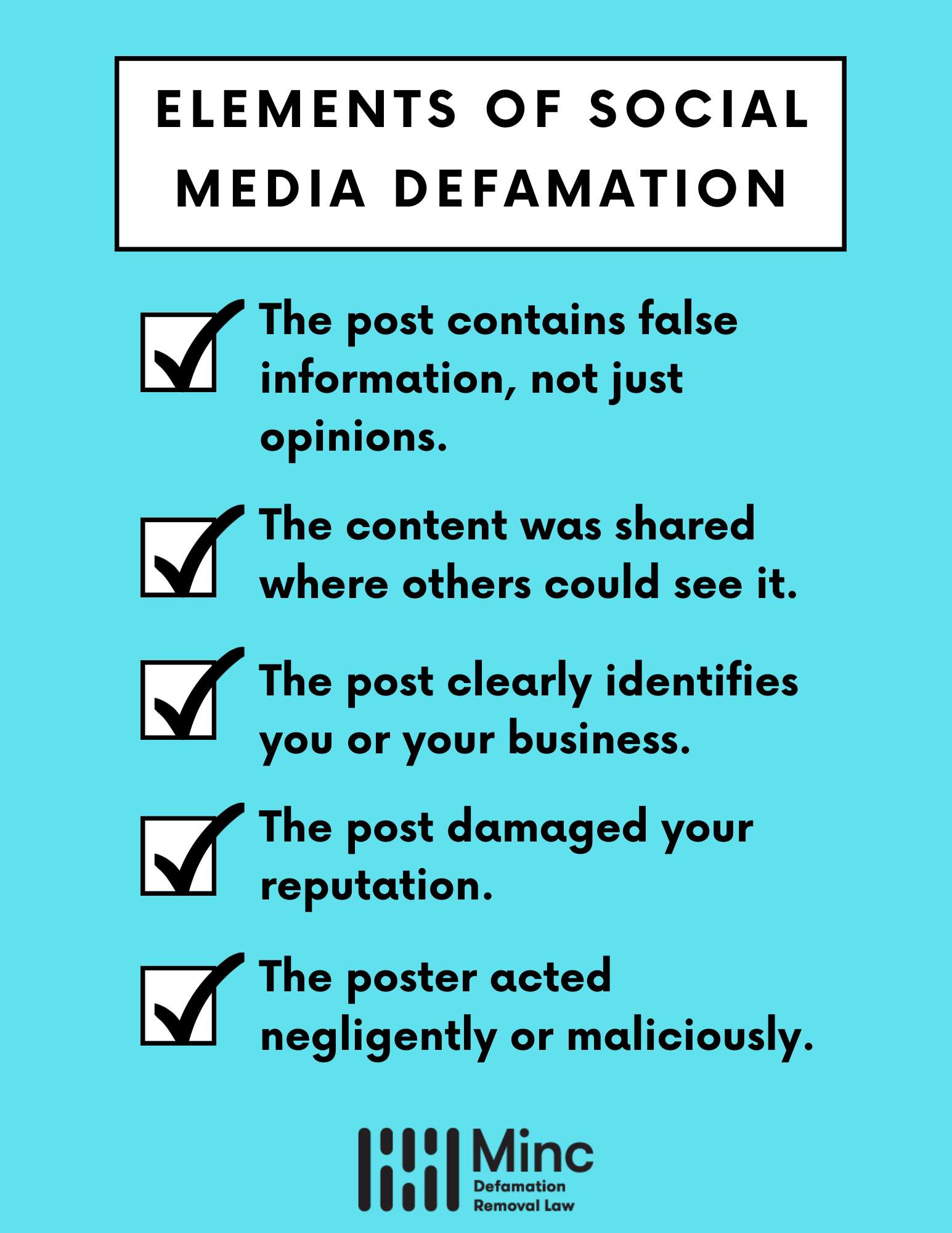
Yes, you can sue an ex-partner for online defamation if they post false statements about you that cause measurable harm to your reputation or career. To have a viable claim, you must prove:
- The statement was false
- The statement was presented as fact, not opinion
- The statement was published where others could see it
- The statement caused substantial, measurable harm
- Your ex acted with at least negligence in making the statement
If these elements exist and the reputational or financial damage justifies litigation costs, you may pursue a defamation lawsuit to remove the content and recover damages.
Understanding Online Defamation
Online defamation occurs when someone publishes false statements of fact about you on the internet that cause substantial harm to your reputation. This is different from negative opinions or venting. Opinions like “he was a terrible partner” are protected speech. However, false factual claims like “he was fired for embezzlement” or “she has a criminal record” can be defamatory if they are provably false and cause measurable harm.
Why Online Defamation Is Particularly Damaging
Unlike spoken statements that fade away, online posts remain permanently accessible in search results. When your ex posts false accusations on social media, review sites, or forums, that content can:
- Appear on the first page of Google results for your name
- Be viewed by clients, employers, and professional contacts indefinitely
- Be shared, screenshot, and redistributed across multiple platforms
- Cost you specific job opportunities, clients, or business relationships
For professionals whose reputation directly drives their income, this type of damage requires strategic legal intervention.
Common Examples of Defamatory Posts From Ex-Partners
Ex-partners typically post defamatory content on platforms that maximize reputational damage:
Professional Networking Sites
False statements on LinkedIn or industry forums reach the exact audience that matters most: your colleagues, clients, and potential employers. Posts claiming you were fired, acted unethically, or lack professional competence directly harm your earning capacity.
Business Review Sites
If you own a business or work independently, false reviews on Google, Yelp, or industry platforms directly impact your revenue.
Social Media Platforms
False accusations on Facebook, Instagram, or X (formerly Twitter) appear in Google search results and reach your personal and professional networks simultaneously.
Dating Warning Groups
Private Facebook groups like “Are We Dating the Same Guy” and apps like “Tea” have become problematic venues where ex-partners post false accusations of abuse or dangerous behavior that spread quickly through local communities.
Anonymous Forums
Some ex-partners post on Reddit or anonymous gossip sites where content is harder to trace but still appears in search results for your name.
Which False Statements Justify Legal Action?
Not every negative post warrants the investment in litigation. Focus on false statements that cause quantifiable professional or financial harm.
Defamation Per Se
Certain false statements are considered so harmful that damages are presumed. These include false claims that you:
- Committed a crime or engaged in criminal conduct
- Are incompetent or unethical in your profession or business
- Have a loathsome disease
- Engaged in sexual misconduct
If your ex’s posts fall into these categories and relate to your profession, you have a stronger case for substantial damages.
False Statements About Professional Competence
Posts falsely claiming you were fired, engage in unethical practices, lack qualifications, or are incompetent directly impact your career trajectory and earning capacity.
False Criminal Accusations
Claims that you have a criminal record, were arrested, or engaged in illegal activity can cost you employment opportunities, professional licenses, and business relationships.
False Financial Misconduct Claims
For business owners and financial professionals, false accusations of fraud, embezzlement, or tax evasion can be particularly devastating to your practice.
When Does Litigation Make Strategic Sense?
Defamation litigation requires a significant investment of time and money. Evaluate these factors before proceeding:
Consider Legal Action If:
- You have lost or will lose significant income, contracts, or career opportunities
- The defamatory posts rank highly in Google search results for your name
- Your earning capacity depends on your professional reputation
- You have strong evidence proving the statements are false
- Platform reporting efforts have failed
Alternative Approaches May Be Better If:
- The content has minimal visibility
- The statements are clearly opinions
- Reputation management strategies can effectively suppress the content
- Litigation might increase visibility of the accusations
An experienced online defamation attorney can help you determine whether litigation represents a sound investment.
How to Remove Defamatory Content Posted by Your Ex
Step 1: Document Everything
Before taking action, preserve comprehensive evidence:
- Screenshots with dates, timestamps, URLs, and engagement metrics visible
- Archive links preserving content as it appeared
- Evidence the content appears in Google search results for your name
- Documentation of professional harm (termination letters, declined contracts, lost clients, lost income)
- Evidence proving statements are false
Step 2: Consult with an Attorney
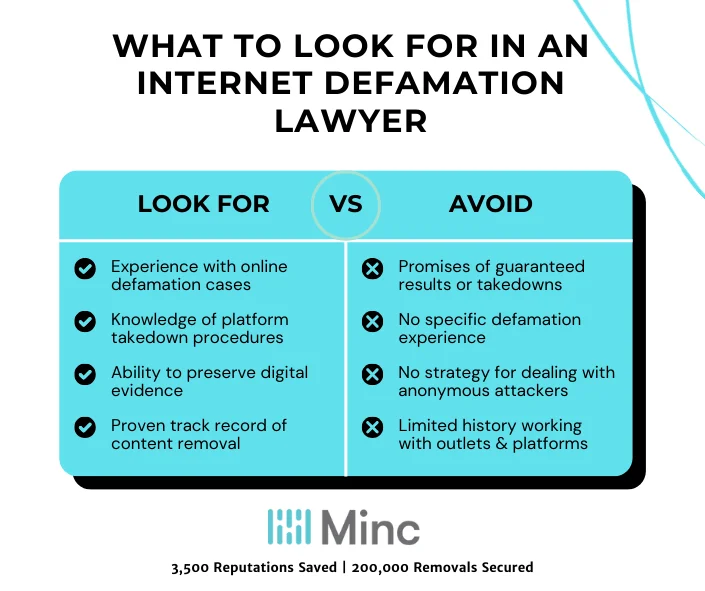
Consult with an experienced online defamation attorney who can evaluate:
- Whether posts meet legal criteria for defamation
- Strength of your evidence
- Likelihood of successful content removal
- Potential damages you could recover
- Strategic advantages of different legal approaches
Step 3: Send a Cease and Desist Letter
Often, a professionally drafted cease and desist letter achieves content removal without litigation costs. The letter should:
- Identify specific defamatory posts and locations
- Explain why statements are false and defamatory
- Demand immediate removal of all defamatory content
- Outline legal consequences of failure to comply
- Establish a clear response timeline
Many ex-partners comply once they understand the serious legal and financial consequences.
Step 4: File a Defamation Lawsuit If Necessary
If your ex refuses to remove content despite legal demands, filing an online defamation lawsuit may be necessary. Successful litigation can achieve:
- Court-ordered content removal and injunction against future false statements
- Compensatory damages for lost income, business opportunities, and reputation repair costs
- Punitive damages for particularly malicious conduct
- Public legal validation that statements were false
If Your Ex Posted Anonymously
If you are not sure of the identity of the poster, your attorney can file a “John Doe” lawsuit to unmask them. This involves:
- Filing a lawsuit against an unknown defendant
- Obtaining a court order compelling the platform or internet service provider to reveal the poster’s identity
- Using IP addresses and other information to identify who posted the content
Often, receiving notice that anonymity has been pierced prompts the poster to remove content immediately.
Protect Your Professional Reputation
Strategic legal action to remove defamatory content and hold perpetrators accountable.
Schedule ConsultationImportant Limitations and Challenges
Statements Made in Court Are Protected
Statements made under oath during legal proceedings are protected by litigation privilege and cannot form the basis of a defamation claim. However, false statements your ex makes outside of court proceedings can be actionable.
You Cannot Sue the Platform
Section 230 of the Communications Decency Act protects online platforms from liability for user-generated content. You can only sue the individual who posted the defamatory content, not Facebook, Instagram, Reddit, or other platforms hosting it.
Truth Is an Absolute Defense
If the statements your ex posted are true, they are not defamatory regardless of how much damage they cause to your reputation. You must prove the statements are false.
Opinions Are Protected
Statements of opinion are protected speech. “I think he was controlling” is an opinion. “He threatened to kill me” is a statement of fact that can be proven true or false.
The Streisand Effect
Filing a lawsuit can sometimes increase visibility of the defamatory content. Professionals with public profiles must carefully consider whether litigation might amplify attention to the accusations.
Minc Law Can Help Protect Your Professional Reputation
At Minc Law, we focus exclusively on online defamation and understand that for professionals and business owners, reputation is your most valuable asset. False accusations from an ex-partner appearing in Google search results can cost you clients, contracts, and career opportunities you spent years building.
Our experienced online defamation attorneys represent professionals, executives, and business owners facing serious reputational threats. We take a strategic, sophisticated approach to each case, evaluating whether litigation represents a sound investment and developing customized strategies to protect your professional interests.
Our Services Include:
- Strategic Case Evaluation: We analyze your situation to determine whether litigation makes strategic and economic sense, evaluating case strength, potential damages, and likelihood of success.
- Content Removal: We work to remove false and defamatory posts through strategic legal demands, platform engagement, and litigation when necessary.
- Defamation Litigation: When warranted, we file comprehensive lawsuits to obtain court orders for content removal and recover substantial damages.
- Anonymous Poster Identification: We file John Doe lawsuits to unmask anonymous posters and hold them accountable.
- Reputation Management Coordination: We work with reputation management professionals to implement strategies that remove false content and promote accurate, positive information.
- Ongoing Monitoring: We establish monitoring systems to alert you to new defamatory content and take swift action to address it.
If you are facing serious reputational damage from false online posts by an ex-partner, we can help you evaluate your options and take strategic action to protect your career and livelihood.
Contact Minc Law today at 216-373-7706 or by using the contact form below to get a free case evaluation. We will review your situation, discuss whether litigation makes strategic sense, and develop a comprehensive plan to remove false content and protect your professional standing.

Get Your Free Case Review
Fill out the form below, and our team will review your information to discuss the best options for your situation.
This page has been peer-reviewed, fact-checked, and edited by qualified attorneys to ensure substantive accuracy and coverage.